Ditch the Hustle: Embrace Real Rest

Hey, welcome back! Remember last time we chatted about ditching the “perfectly balanced” myth and embracing messy, real-life self-care? We talked about how traditional self-care often feels like another set of rules, leading to more overwhelm; a cage for those of us carving our own paths!

Today, let’s dig deeper into one crucial aspect of self-care that’s often overlooked, especially when we’re constantly hustling: radical rest.

We’re a country that values productivity 100 We’re driven, passionate, and constantly striving to make a difference. Whether we’re building our own businesses, fighting for social justice, or exploring the world in a converted van, we’re always doing.

But here’s the hard truth: constant doing leads to burnout. And burnout doesn’t help us during the revolution!!!

We’ve been conditioned to believe that rest is a luxury, a reward for hard work. We’re not allowed to rest until every single task we can ever think of is complete! **sweat. But what if rest was the foundation of our work? What if we viewed it as a radical act of resistance against a system that thrives on our exhaustion? HERE FOR IT.

Why Radical Rest Matters for the “Against the Grain” Crowd:

  • Fuel for the Fight: When we’re rested, we’re more creative, resilient, and effective. We have the mental clarity to tackle tricky problems and the emotions to navigate challenging situations.
  • Reclaiming Our Time: In a world that constantly demands our attention, rest is an act of rebellion. It’s a way of reclaiming our time and prioritizing our well-being.
  • Connection to Ourselves: Rest allows us to slow down, tune in to our bodies, and connect with our inner selves. It’s a space for introspection, reflection, and self-discovery. Your intuition will grow stronger the more you tune in to the quiet.
  • Breaking the Cycle of Burnout: We can’t dismantle oppressive establishments if we’re constantly running on empty. Radical rest is essential for long-term sustainability. (high five if you know the reference)

What Does Radical Rest Look Like?

It’s not just about sleeping in (although that’s definitely part of it!). Radical rest is about intentionally creating space for stillness, quiet, and rejuvenation. It’s about disconnecting from the constant noise and reconnecting with ourselves. When is the last time you sat down with nothing in front of you to distract? No screens, no pets or kids, no music, just silence and your thoughts. It feels overwhelming at times, but the practice is worth the result!

Here are a few ideas:

  • Digital Detox: Put your phone away, turn off your notifications, and disconnect from the online world.
  • Nature Immersion: Spend time in nature, whether it’s hiking in the mountains, swimming in a lake, or simply sitting under a tree or walking around your neighborhood.
  • Mindful Movement: Engage in activities that nourish your body and calm your mind, yes like yoga, but it can be any kind of movement that makes you feel at peace by connecting you to your physical body.
  • Creative Expression: Explore your creativity through writing, painting, music, or any other form of self-expression.
  • Conscious Downtime: Instead of mindlessly scrolling through social media, engage in activities that truly relax you, such as reading a book, listening to music, or taking a warm bath.
  • Naps!: Don’t underestimate the power of a good nap. Be mindful about how long your nap is; if you wake up in the middle of a sleep cycle you’ll wake up groggy and probably cranky!

The Rebel Yell:

Radical rest is not about being lazy; it’s about being intentional. It’s about recognizing that our well-being is essential for our activism, our creativity, and our overall happiness! It’s about refusing to participate in a system that thrives on our exhaustion **nope

Let’s make radical rest the foundation of our self-care revolution. Let’s reclaim our time, our energy, and our power. Let’s show the world that true rebellion starts with rest.

What does radical rest look like for you? I’d love to hear about it in the comments below!
Unbalanced & Unbothered: Real Self-Care

Let’s be real, if you’re like me, we’re not exactly known for fitting into neat little boxes. We’re the ones opting for van life over mortgages, side hustles over soul-crushing 9-to-5s, and community gardens over manicured lawns. We’re carving out lives that resonate with us, not some pre-packaged ideal.

But here’s the thing: rebels need to recharge. And when it comes to self-care, we often find ourselves hitting a wall. Why? Because the mainstream self-care narrative is, frankly, boring and unattainable for those of us living outside the lines.

Let’s break down the two biggest roadblocks keeping us from consistent self-care:

1. The “Perfectly Balanced” Lie:

We’re fed this “perfect” image of women who seem to flawlessly juggle it all: the glowing skin, the perfectly curated yoga practice, the meticulously planned meal prep. It’s a highlight reel of “wellness,” and it’s exhausting. For us, that kind of rigid structure feels like another cage, another set of rules to break.

Here’s the truth: balance is (sort of) a myth. Life is messy, unpredictable, and often chaotic, especially when you’re forging your own path. Some days, your self-care might look like a 5-minute meditation in your car before heading into work. Other days, it might be a full-blown solo hike in the woods. And sometimes, it might just be ordering takeout and binge-watching your favorite show.

The rebel yell: Ditch the pressure to be perfectly balanced. Embrace the messy, imperfect, and real aspects of your life. Your self-care should fit you, not the other way around.

2. The Guilt Trip of “Selfishness”:

As women, we’re often conditioned to prioritize everyone else’s needs before our own. This is amplified when you’re building a life that challenges the norm. You might feel guilty taking time for yourself when you’re hustling to make your passion project a reality or when you’re fighting for social change.

We’re told that self-care is “selfish,” but I’m here to tell you that it’s absolutely essential. You can’t pour from an empty cup. If you’re constantly running on fumes, you’ll burn out, and you won’t be able to effectively pursue your dreams or make a difference in the world.

The rebel yell: Redefine “selfishness.” Taking care of yourself is not an indulgence; it’s a necessity. It’s an act of radical self-love that empowers you to show up as your best, most authentic self.

How do we break free from these self-care roadblocks?

  • Embrace the Unconventional: Forget the spa days and expensive retreats (unless that’s your jam!). Find self-care practices that resonate with your unique lifestyle. Maybe it’s going for a quiet walk in nature, playing with your dogs, or jamming out to your favorite music.
  • Prioritize Micro-Moments: Small, consistent acts of self-care are more sustainable than grand gestures. Find pockets of time throughout your day to check in with yourself.
  • Listen to Your Body: Pay attention to your energy levels and emotional needs. Don’t be afraid to adjust your plans if you need to slow down.
  • Build a Supportive Community: Connect with other women who understand the challenges of living outside the mainstream. Share your struggles and celebrate your victories. The comment section below could be a great place to start!

The self-care revolution is about reclaiming your power and prioritizing your well-being on your own terms. It’s about rejecting the “shoulds” and embracing the “coulds.” Let’s ditch the guilt, embrace the chaos, and create a self-care practice that fuels our rebellious spirits.

What are your unconventional self-care practices? Share them in the comments below and check out what others are saying!

Beyond Fortune Telling: Using Tarot to Manifest Your Goals

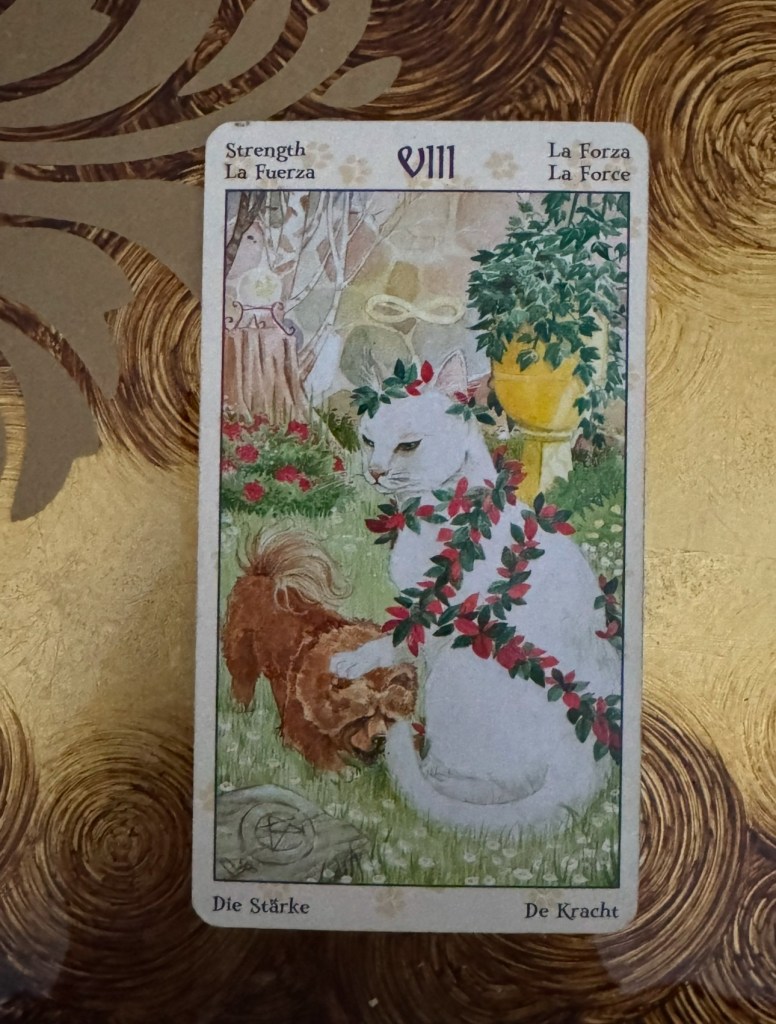
Tarot cards have long been used for connecting with the universe (or higher powers) and self-reflection. While often associated with predicting the future, I’ve found them to be incredibly helpful in a more proactive way: goal setting. Here’s how I use tarot to gain clarity and direction at all phases and stages of life:

1. The Shuffle:

  • Meditation: Before even touching the cards, I take a few deep breaths to clear away anything that doesn’t serve me in that moment. I close my eyes and visualize my goals, big or small (for me, usually giant) and I ask things like, how do I navigate this particular part of my life? Or – what obstacles might I face when trying to reach X goal?
  • The Shuffle: I shuffle the deck mindfully, focusing on my intentions. Sometimes, as I shuffle, a few cards will jump out of the deck. I take these as messages directly from the universe, no second guesses.

2. The Three-Card Spread (or Intuitive Guidance):

  • Intuitive Selection: I always use my intuition as a guide. You know that gut feeling? That’s your intuition. So if I feel like I need a 3-card spread, I do that. If only two cards pop out on their own, that’s good for me. I don’t stick to a rigid number or rule, I draw more or less based on an inner feeling.
  • Personal Interpretation: Before consulting any external sources, I try to form my own thoughts based on what the card is showing and how I’m feeling or what I’m dealing with. What emotions come up? What does it feel like the cards are trying to say? How do these images relate to my current goals?

3. The Biddy Tarot Check-In:

  • External Validation: Once I’ve taken a few minutes for my own interpretations, I visit the Biddy Tarot website. This isn’t about finding “the right” answer, but expanding my understanding. Biddy usually offers insights I hadn’t considered, opening up my perspective. In a typical Rider-Waite style deck, the theme of each card will remain the same no matter what website you use so try finding a website that you connect with, intuitively!

Important:

  • Trust Your Intuition: The most valuable part of this process is connecting with what you know in your heart to be true. The tarot cards serve as a tool for reflection and self-discovery. Meditation, a few quiet moments with yourself, will help you feel more connected with you and the universe.
  • Flexibility is Key: This is not a rigid system. Some days, I draw only one card. Other times, I feel drawn to a bigger spread. I typically save longer spreads for times like the new year and my birthday or if a big life change is happening and I want to get a clearer picture on how I can navigate, or live to my fullest potential. Otherwise, a few cards works just fine for me.

Using tarot for goal setting has become a valuable practice in my life! It helps me:

  • Gain Clarity: Identify and define my goals with better focus.
  • Uncover Obstacles: Recognize potential challenges and develop strategies to overcome them.
  • Find Motivation: Stay inspired and focused on my aspirations.
  • Embrace Unexpected Opportunities: Remain open to new paths and possibilities, always.

I encourage you to experiment! You might be surprised at the insights and inspiration you uncover with the cards. Even if you think it’s too “woo woo” (get over it) it doesn’t hurt to have a message of guidance every now and then.

You can even start with a simple deck of playing cards, which is called Cartomancy, used similar to a tarot deck; shuffle, choose, interpret – this time using a website to decipher each card’s meaning. The link will take you to the exact site I used when I was fresh out of high school and didn’t even know what tarot was, but stumbled on this particular post one day after checking my horoscope. It took me a few more years to get into doing tarot myself (with encouragement from friends), but only recently did I start to really appreciate it for what it is and what it can do.

Open up your mind to let the tarot cards (the universe) guide you into who you want to become by showing you the ups and downs, the good, the life changing, the bigger picture that you can’t quite yet see. It’s all there and waiting for you!

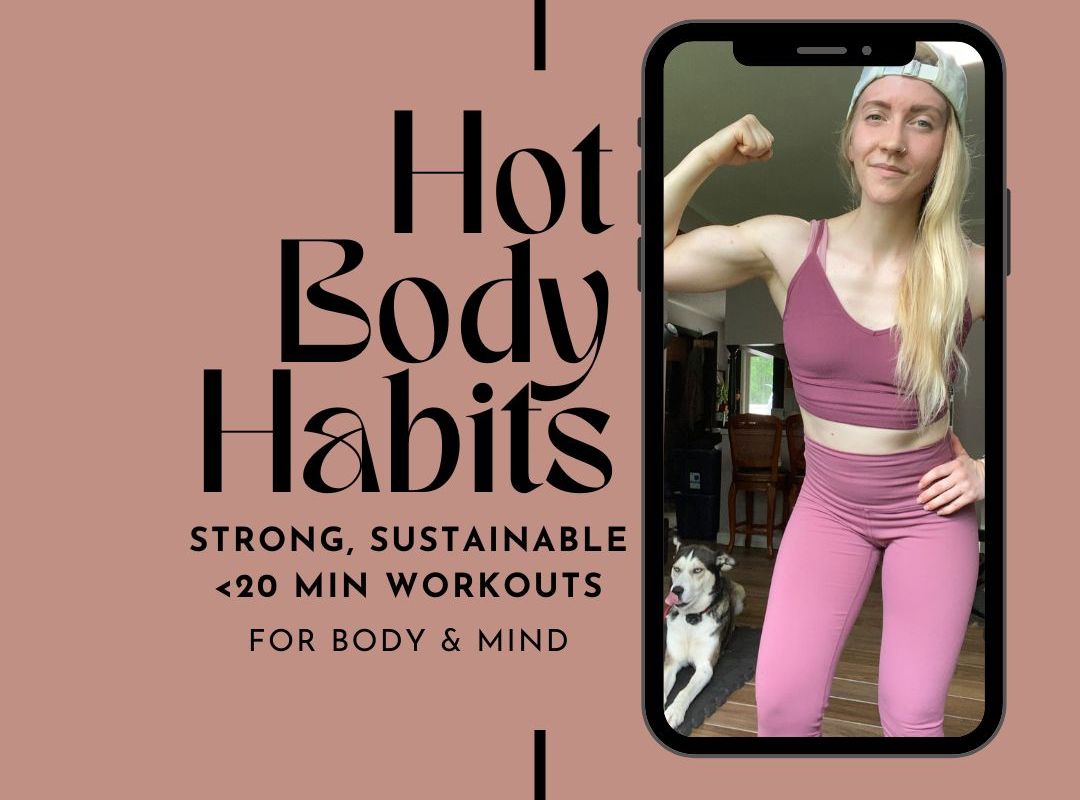
Hot Body Habits (who cares about weight??)

Getting into a workout routine is, to put it bluntly, fucking hard.

This, coming from a fitness trainer, me, who worked out consistently for 8+ years. I took two measly months off from doing any kind of physical activity (more on that in a sec) and now getting back into it I can see why it’s a struggle for most to stay consistent with their healthy lifestyle goals. It feels like I took an entire year away from exercise and stretching and moving my body, yet it wasn’t long at all!!!!! So that’s why I’m creating a new workout series, Hot Body Habits, for those of us who are trying to get into the groove- but 30-60 minute workouts feel like a chore right now – but you also know taking care of yourself feels good (and feeling hot doesn’t hurt either!).

So why did I take two months off from working out, etc.? Laziness? Injury? No and no. For a long time I thought I was struggling with some food sensitivity/disbiosis/gut probs because I was gaining weight in my belly, but not really anywhere else in my body. I still fit in all my clothes, but the belly seemed a little tighter. Long story short, and after some wrong diagnosis from gut docs, I found out I had a twenty centimeter mass growing on my left ovary. Thankfully all testing came back clear, but it had to be drained. At the end of October I went in for laparoscopic surgery, and was in, out and home all in the same day. It was still a major surgery with several small incisions, but I am very thankful to my doctor for making me feel calm the entire way. Although from the time of my first exam to coming home from surgery it was only about a two week period. Once they found the mass they pretty much said, “okay let’s do this asap.” Recovery time: 6-8 weeks. I am forever grateful for this experience, even though it could have been scary, I feel my mindset and meditation work helped me stay on the positive side of things. I’ve done a lot of work to get myself into the head space that everything happens for a reason; everything is meant to be. Everyone is going to have some kind of medical procedure done in their lifetime, that’s just the way things are. My situation was nothing new to the team working in that operating room, another day at the office for them. I knew everything would be okay; I’m very thankful for modern technology!!!!!

SO, onto the present. I don’t have a consistent schedule yet, but I can tell you the first couple times I tried to stretch/move my body felt COMICAL. Like I said, it felt like it had been a whole year since I did anything, that’s how tight and restricted my body feels, even now, a week or so into getting back into it all. So come along with me as I grunt and groan through more workouts/stretching until I feel like that mobile, flexible, healthy person I know I am!

Here’s what I’m doing:

(Side note: I don’t care about weight. I care more about how my body feels when I wake up, how I feel in my clothes, the control I feel over my emotions day to day. The list of benefits you get from self care is long; physical aesthetics are only a tiny piece of the giant puzzle!)

I am a Type-B (with ADD) kind of gal, so sticking to a strict schedule is not an easy task for me. Each day is different- I like to align with my emotions and how I’m feeling physically, so I keep a rough idea of what I want to accomplish for the week then choose day to day what feels right. If you like more structure you can choose which days you’ll do each activity. Make it work for you! (That’s the key to consistency)

  • Walk on the treadmill (because it’s winter) for ~30 minutes daily. I like to sip my morning matcha and scroll on my phone while I walk. It’s the little boost of energy I need to get myself motivated in the morning, yet I don’t have to put much actual effort into it. During warmer seasons, I go outside for my walk, but sometimes it’s only 5-10 minutes, and always without listening to anything on my phone. I prefer outdoor walks because I turn my brain off and enjoy the sunshine and nature!
  • Stretch or Yoga, 5-10 minutes, right after my walk. Tight hips and hamstrings always make me feel like I can’t properly move my body in the morning so once I’m warm and toasty from my walk, I take a few minutes to stretch out. I say stretch OR yoga because yoga is about connecting with your breath and sometimes I just feel like rolling around my mat in any way that feels good, no rules.
  • Strength training, 3x per week. Muscles need time to recover, especially when starting something new. Soreness is a good thing, it means the muscles are breaking down and building back bigger and stronger, but painful soreness isn’t the goal. You should still be able to function in your everyday life with your soreness, not miserable going up and down stairs or sitting on the toilet or needing a heating pad or pain killers to get through the day! I will consider adding more days in the future when I start to feel and see progress, but not too soon. See more on this below.
  • Meditation or Reiki, no set time frame, I just sit for a few minutes to turn my brain off. Ya know how you get the best ideas while in the shower? That’s like a form of meditation. You give your brain a few minutes to chill out and the most important messages come through. Reiki is similar, but involves using different hand placements on the body (or hovering the hands a couple inches over the body) to exchange healing energy. Energy is everywhere! Read more about it here. This is the one that is toughest for me to stick to because I know I have to take time to sit and do nothing, which is a hard thing to do!!!! But the more I do it, the more I love it and the easier it gets to sit. It’s all in the practice.

I was teaching 4-5 classes per week at a small boutique studio up until my surgery (October ’24), then within the same week I learned I needed the surgery I found out the studio was closing down. It’s bitter sweet because that studio feels like a big piece of my life’s puzzle, but it’s closing for a reason of growth for the owner, and that’s helping me and the rest of the instructors grow and expand into the next version of ourselves too! Change is inevitable; learn to go with the flow!

Soon I’ll be sharing workout videos that are quick and fun to keep you motivated, using basic strength training, mobility, and flexibility movements, to ensure you get the full body, hot body workout you want and need!!! Three days a week, under 20 mins each workout – great for beginners or those getting back into it (like me)! Small habits lead to crushing big goals and feeling like a badass forever!!

I’ll sleep when I’m dead

In today’s fast-paced world, it’s easy to overlook the simple yet profound practice of getting enough sleep. We often prioritize work, social engagements, and entertainment over the one thing that can significantly impact our overall well-being: sleep. However, the benefits of “enough” sleep are nothing short of astonishing, playing a vital role in our physical, mental, and emotional health. Let’s take a deep dive into the science-backed advantages of ensuring you catch those Zs (and find out if you’re getting “enough.”)

1. Enhanced Cognitive Function: Sharpening the Mind

Imagine your brain as a powerhouse that works tirelessly during the day. Just like any machine, it requires downtime to clean up, organize, and recharge. Sleep is that essential downtime for your brain. A good night’s sleep has been linked to improved memory strength, enhanced problem-solving skills, and heightened creativity. During REM sleep, the brain consolidates and stores information gathered throughout the day, making it easier to access and utilize when needed.

2. Mood Elevation: The Sleep-Emotion Connection

Ever noticed how everything seems worse after a night of inadequate sleep? There’s a scientific explanation for that. Sleep has a direct impact on your emotional state. Sufficient sleep helps regulate mood by allowing your brain to process emotions and respond more rationally to situations. On the flip side, sleep deprivation is linked to increased irritability, mood swings, and a higher likelihood of developing mood disorders like anxiety and depression.

3. Physical Restoration: Healing and Growth

Sleep isn’t just about resting your mind; it’s also about rejuvenating your body. During deep sleep stages, your body releases growth hormones that repair tissues and cells, aiding in physical recovery. Adequate sleep contributes to a strong immune system, helping your body ward off infections and illnesses more effectively.

4. Weight Management: The Sleep-Obesity Link

Believe it or not, there’s a direct link between sleep and weight management. Poor sleep patterns can disrupt hormonal balance, leading to an increase in appetite and cravings for unhealthy foods. Sleep deprivation affects the hormones that regulate hunger and fullness, sometimes resulting in overeating and weight gain.

5. Heart Health: Nurturing Your Vital Organ

Your heart works non-stop, and just like any other organ, it needs its fair share of rest. Sleep plays a crucial role in maintaining cardiovascular health by reducing stress on the heart. It helps regulate blood pressure and keeps inflammation – a major contributor to heart disease – in check.

6. Improved Concentration and Productivity: The Efficiency Factor

Think of sleep as a productivity hack that’s free and accessible to everyone. Adequate sleep improves concentration, decision-making, and overall cognitive function. It enhances your ability to focus on tasks and accomplish them efficiently, ultimately boosting your productivity.

7. Longevity: Adding Years to Your Life

When you prioritize sleep, you’re investing in a healthier, longer life. Research has shown a strong correlation between consistent, restorative sleep and increased lifespan. By reaping the benefits of quality sleep, you’re giving your body the chance to repair, regenerate, and thrive over the long haul.

Not sure how much sleep you need? Everyone is different! But generally speaking, somewhere between 7 and 9 hours is usually the sweet spot. Start testing by sticking to one amount of time for a week, then adjust to find your perfect time. Example: Sleep 9 hours every night for a week, evaluate sleep each morning and review at the end of the week. In week two, try sleeping 8.5 or 8 hours, repeat the process until you find exactly how much feels right for you! You should wake up feeling refreshed, not tired*.

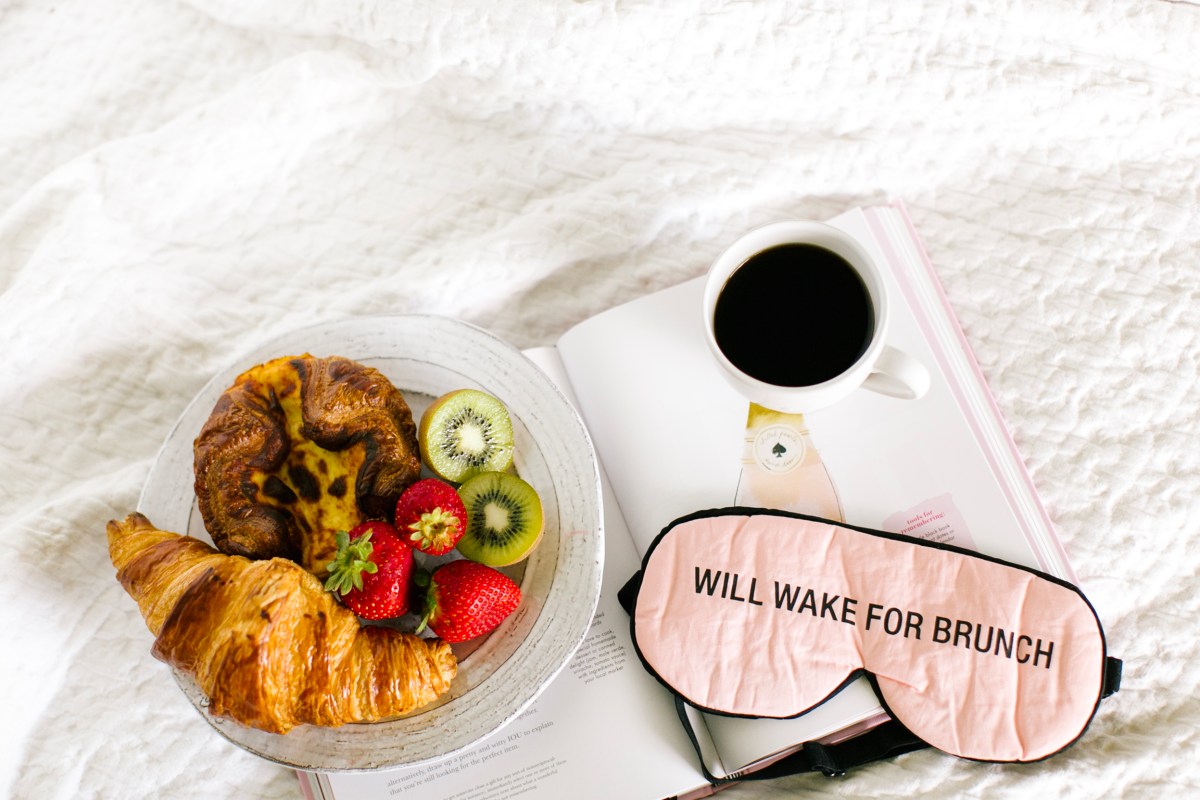
In a world that glorifies hustle culture, it’s essential to remember that sleep is not a sign of laziness, but a cornerstone of well-being. Prioritizing sleep isn’t a luxury – it’s a necessity. So, next time you’re tempted to sacrifice sleep for another episode or project, think about the incredible benefits you’re giving up. Your mind, body, and overall quality of life will thank you for making sleep a priority.

*Still feeling tired every morning? It might be what you’re eating! See this post to learn more.

Improving My Skin Part 2

When you’re going through food sensitivity struggles, it can feel like every little thing will be an issue. It can be intimidating to even try new foods because you don’t know how it will affect you after. But once you know your trigger food(s) you can start healing your gut and know that you will be able to eat the things you want to in the future. I was throwing things against the wall to see what would help me, but I felt like I was stuck going in circles without any real solutions. Between 2018 and 2022 I felt like things were never going to change, and because psoriasis is an autoimmune issue, I thought there was nothing I could do.

Fast forward to 2022, a new program came out, The 4 Week Gut Protocol. Just like Whole30, the Gut Protocol program calls to eliminate the most common food allergens from your diet for four weeks, then reintroduce them one by one to see how things make you feel. The only real difference is in the GP you have guidelines to help you calculate how much food you should be eating, where the Whole30 just gives you the foods to avoid. This taught me how good I can feel when I’m getting all the essential nutrients my body needs instead of trying to piece together meals and *hope* I’m getting what I need. Which honestly, I didn’t think about nutrients at all during my first round of W30. Live and learn.

After four weeks of elimination, I felt AMAZING! I used to feel bloated almost all the time, pretty much as soon as I would eat something in the morning – I’d feel bloated all day. But eating whole foods in the right proportions helps the body truly work the way it’s supposed to. The best part – I started noticing a difference in my skin. It was nowhere near clear, but it was different. I didn’t reintroduce any foods right away, except I added ONE of the food categories back in – legumes. I *thought* this one would be fine and as someone who eats vegan + gluten free I wanted a little more variety in what I was eating day to day. Fast forward a week or two and my skin was changing again…but it was going BACK to the way it was before GP! Again, this is the part of the process that’s annoying – testing different foods to see what works and what doesn’t. Sometimes it feels easier to stick with the allergen free, whole foods way of eating instead of trying a food, waiting a few days to see how things go, adding it back in, waiting a few days again. It’s a process, but is so worth it I promise!!

Again I went back to the original plan, back to no foods that are on the common allergen list – including legumes – and I decided to continue on with it indefinitely. I wanted to see a difference in my skin again; I was determined! I was loving all the foods I was eating anyway, and my gut was feeling awesome! So it didn’t feel difficult to stick to. Reminder: it took five years of trial and error and winding down different paths trying to get here. It certainly did not happen over night!! Feeling confident about food, especially when you have to relearn every wrong thing you’ve ever been told by any media source, takes time and effort and will feel like a full struggle sometimes.

Fast forward to today, I’m still working on figure it all out, but have seen about 60% improvement in my skin. At one point I saw about 90% improvement – that was when I was eating completely clean with no hiccups in my diet. I have a new mentality about food and life, because, yes I want to feel my very best every day and I know that happens through what I consume. BUT, I’d also like to ENJOY life by eating fun foods that are not necessarily “clean.” For example, France is in my future travel plans and I KNOW I will eat macarons while I’m there – of course, not a vegan or gluten free or allergen friendly food. But would I really fly all that way and not enjoy the best of what they have to offer?? (the answer is no).

I am still following The Gut Protocol so my skin can maybe one day be back to 90% clear (or more), but I am OPEN to what life has to offer, and sometimes if I want to stray from my plan for the real important life moments (like croissants in France, not just pizza because I don’t feel like cooking).

Life is short, I believe we should treat every day as a celebration! You never know when the party is over. Eat the foods you like, but don’t forget we run on essential nutrients. Start with the very basics to help your body work the way it needs to, and add in the fun from there.

Want to see an improvement in your life through gut health, skin, energy, sleep, and more? Click here for the 4 Week Gut Protocol.

This post contains affiliate links.

Improving My Skin Part 1

I have an entire section on this blog dedicated to my personal experience with the Whole 30 program; thirty days of food elimination to figure out which, if any, foods are causing different reactions in the body. Anything from bloating and gas to skin irritations and mood swings can be the result of food sensitivities! (In the United States alone, 60+ million people suffer from food related issues 😮) Talking to your wellness professional can help you get to the bottom of these issues, but in this country, that’s not always an option (read: our healthcare system is wack). Here are my personal opinions and experiences having completed one round of the Whole30 program, and made an entire lifestyle shift after the Gut Protocol program.

It’s not the easiest process to go through, but if you have a plan in place then it can be pretty simple. If I didn’t make a plan for every single week there definitely would have been a point where I would have slipped up. Without a plan, I would have given up the first time life felt too busy, or overwhelmed with all the tasks that present themselves throughout a normal day with kids and pets. There is a reason that the quote -fail to plan, plan to fail- is so popular. It is so true for most things in life! I’ll be the first to admit sticking to a plan has not always been the easiest for me, even when I am interested in whatever it is I’m trying to stick to.

When I first considered the Whole30 program I asked my husband, Matt, to do it with me for accountability because when he decides to stick to something, anything, that’s it – he does it. So I knew having him with me would help me stay the course. Thirty days later we felt pretty amazing…but we jumped right back into our old habits. This is when I started to feel pretty terrible. Although I had gone through the reintroduction phase and knew how things made me feel, I decided to ignore that, and wouldn’t realize until later on that I was feeling bad because I was still dealing with food sensitivities. I didn’t take what I learned from the Whole30 program and use it to better my life. It was more of a “can I finish this program,” and once I did I felt accomplished – but didn’t realize the true impact until later.

A few months after reintroduction I started to develop psoriasis patches on my skin, something I had never experienced before, but runs in my family. At first I had NO CLUE what it was and went into panic mode. But after a few days of wearing a band-aid over the new patch on my hand, I realized what it had to be, and used Google to confirm. Some might not make the connection between the two, but I think the Universe helped me find that relation. Before Whole30 I was eating the Standard American Diet, then after eating a squeaky clean diet for thirty days, I went right back to that S.A.D diet. In my head it made complete sense that they were related, but I was positive at the time it was only dairy that was contributing to my new skin problems. So I cut out dairy and meat. And still the psoriasis continued to spread. But I thought I just needed more time.

Click for part 2

How to Start

I think it is incredibly important to take care of ourselves every day, but especially now in the current world we live in (due to Covid). Most of us are living completely different lives as we figure out how to stay safe and keep our families healthy. What we eat, how we move, and how we rest are all important to our overall health, and all of these working together will help us feel our absolute best.

Exercise and nutrition will take us a long long way, but I don’t think either one has to be difficult. There is way too much information on the internet and sometimes it’s hard to break through all the noise to find what is actually true. There is no single right way to do anything, so it comes down to finding what works for you and your family and your schedule. What works for you might not work for your friend, or for your neighbor, or for your sister- but if it works for you, that’s what matters. Maybe you’ve tried that one diet your co-worker told you about, but then you quit after just three days because you were hungry and it felt too hard. That just means it wasn’t the right way for you.

Staying healthy comes down to this: 1. finding ways to be active and 2. eating good food from the Earth. These will help you feel happy and more in control of your life, which can have a huge effect if you have, what feels like, a hundred responsibilities. If you feel overwhelmed, and like you are putting more effort into the lives of those around you than you are giving to yourself, you might want to think about re-prioritizing. Giving a little extra time FOR YOU during the day will create the space you need to feel recharged and ready to take on the needs of your family- without feeling stressed or tired.

Exercise and movement is not all about losing weight, but being able to move freely, without pain or restrictions. You should be able to pick up your small children with ease. Mopping the floor shouldn’t be that hard and you should be able to grab a bowl from the top shelf or squat down to tie your shoe without pulling a muscle. All of these daily tasks can be performed more smoothly when your muscles get a chance to grow stronger with just a little bit of resistance (strength) training.

You won’t look like a body builder when you lift weights, unless you’re actively trying to do that (it takes A LOT of time in a gym!), but it will make you stronger, more flexible, and more confident in your every day life. When you take care of your body, it naturally finds the weight and shape it is comfortable at. We don’t have to be a size two to be happy, and we don’t have to starve ourselves to get to the “right” number on the scale. That number doesn’t actually exist. What matters is how you feel in in your body and mind. No number on the scale is going to make you feel happy if you still don’t feel well.

It isn’t difficult to add just enough movement and a few vegetables into your day to notice a difference in the way your feel. Try adding one more serving of vegetables to a meal. Stretch for a couple minutes in the morning when you wake up. Start small, notice how you feel, add more time and effort as you go. When we go too hard too fast we set ourselves up for failure unless we’re completely prepared for every obstacle. Possible, but much more difficult than starting from zero and taking one step at a time.

What small step will you take towards healthy today?